California's Digital Replica Law: What AI Filmmakers Need to Know in 2026
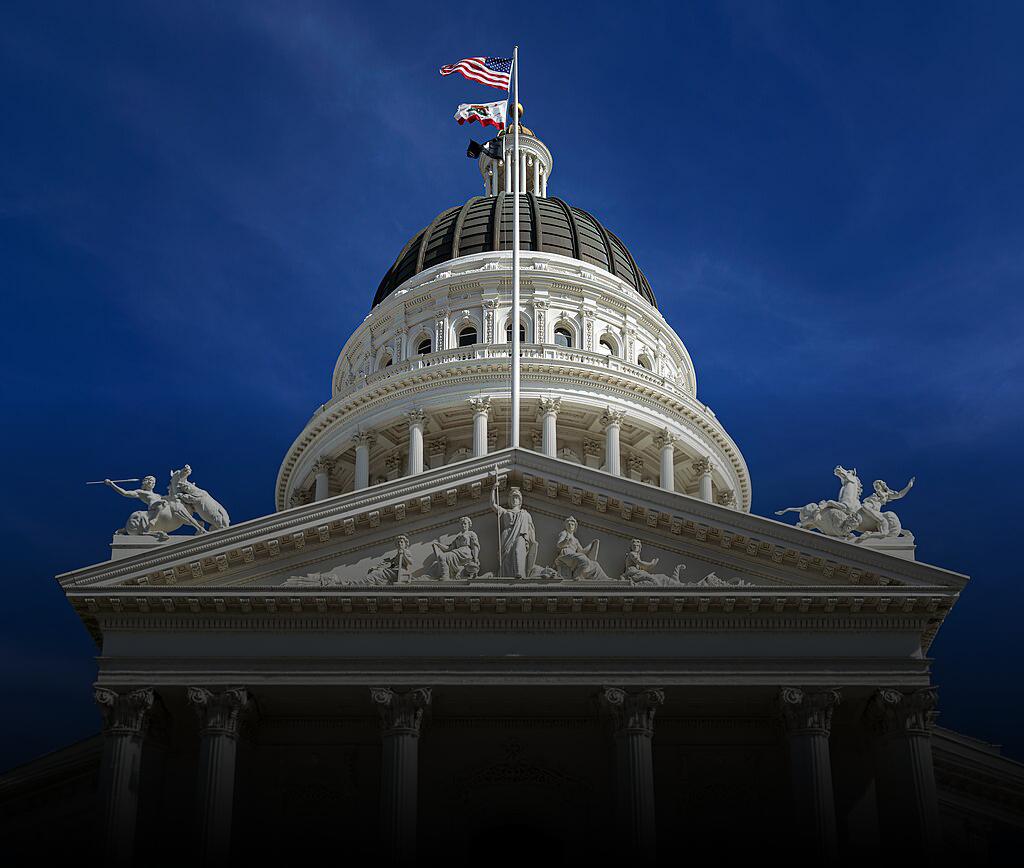
© Radomianin / Wikimedia Commons / CC BY-SA 4.0
Share this post:
California's Digital Replica Law: What AI Filmmakers Need to Know in 2026
As of January 1, 2026, California's groundbreaking "Digital Replica" legislation (AB 2602 and AB 1836) is now fully enforceable. This new law fundamentally changes how filmmakers can use AI to replicate actors' voices and likenesses, requiring explicit consent and prohibiting vague contract language that attempts to claim unlimited AI rights.
,_NW_view_up.jpg)
What Just Changed?
The California legislature passed two complementary bills that work together to protect performers in the age of generative AI. AB 2602 governs contracts for living performers, while AB 1836 extends protections to deceased personalities. These bills were signed into law by Governor Newsom in September 2024 following the SAG-AFTRA strike.
The core change is simple but powerful. Contracts can no longer use broad, indefinite language like "all media now known or hereafter devised" to claim rights to create AI-generated replicas of performers. Instead, any agreement involving digital replicas must include reasonably specific, informed consent.
According to SAG-AFTRA's guidance on digital replicas, performers must understand exactly what they're consenting to. You cannot sign away your AI likeness rights for undefined future projects or open-ended uses.
What is a "Digital Replica"?
AB 1836 defines a digital replica as a "computer-generated, highly realistic electronic representation" that is readily identifiable as a specific individual's voice or visual likeness. This definition covers both audio deepfakes and visual recreations created using AI tools.
It's critical to understand what this law does not do. It does not ban AI filmmaking, AI-generated characters, or the use of AI tools in production. The law specifically targets unauthorized or deceptively contracted replicas of real, identifiable people.
If you're creating entirely synthetic characters with AI FILMS Studio, or using AI for visual effects, color grading, or other production tasks, this law doesn't restrict those activities.
The Consent Requirement
The heart of AB 2602 is the informed consent requirement. When a production wants to create a digital replica of a performer, the contract must clearly specify:
- The specific nature of the intended use
- The scope and duration of the digital replica rights
- Compensation terms related to the digital replica
- Whether the replica will be used in the current project or future projects
SAG-AFTRA emphasizes that consent must be "reasonably specific." A performer agreeing to have their likeness captured for a particular film cannot have that same digital replica appear in sequels, commercials, or unrelated projects without additional specific consent.
For deceased performers covered under AB 1836, the estate or authorized representative must provide similar informed consent before a digital replica can be created or used commercially. The first public test of this framework arrived in March 2026, when First Line Films announced a posthumous AI performance by Val Kilmer in As Deep as the Grave, developed in full collaboration with his daughter and estate.
Filmmaker Exemptions: The "Safety Zone"
AB 2602 includes important exemptions that protect creative expression and journalistic freedom. The law does not restrict digital replicas used in:
- News reporting and journalism
- Sports broadcasts and commentary
- Documentaries and historical works
- Satirical content and parody
- Works of commentary and criticism
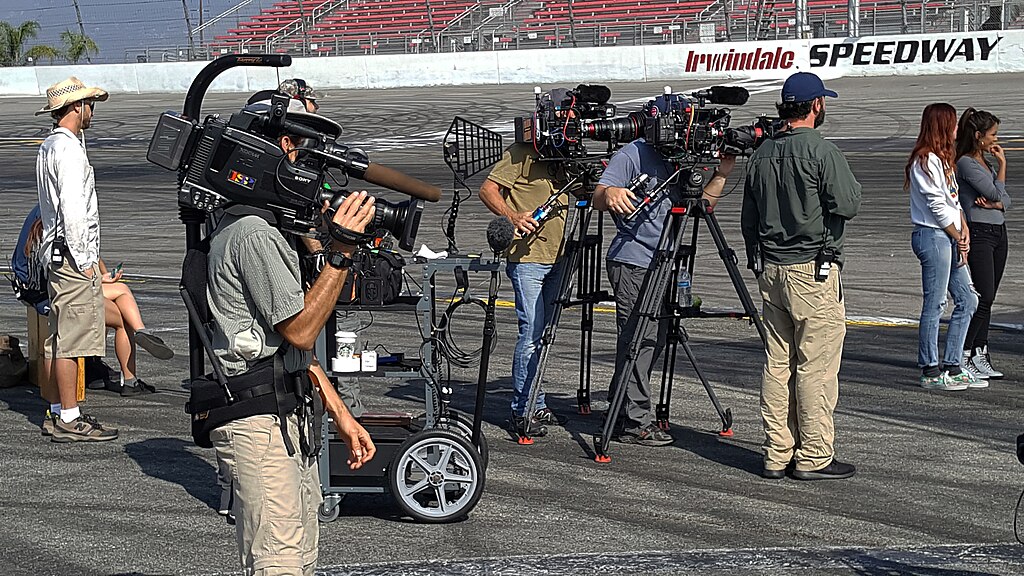
These exemptions recognize the balance between protecting performers' rights and preserving First Amendment freedoms. If you're creating a documentary about AI filmmaking that includes clips of various AI-generated content, or producing a satirical short that parodies celebrity culture, you operate under different rules than a commercial narrative feature.
However, these exemptions have limits. They generally protect non-commercial or transformative uses. A commercial advertisement cannot claim the "parody" exemption simply by adding humorous elements.
What This Means for AI Filmmakers
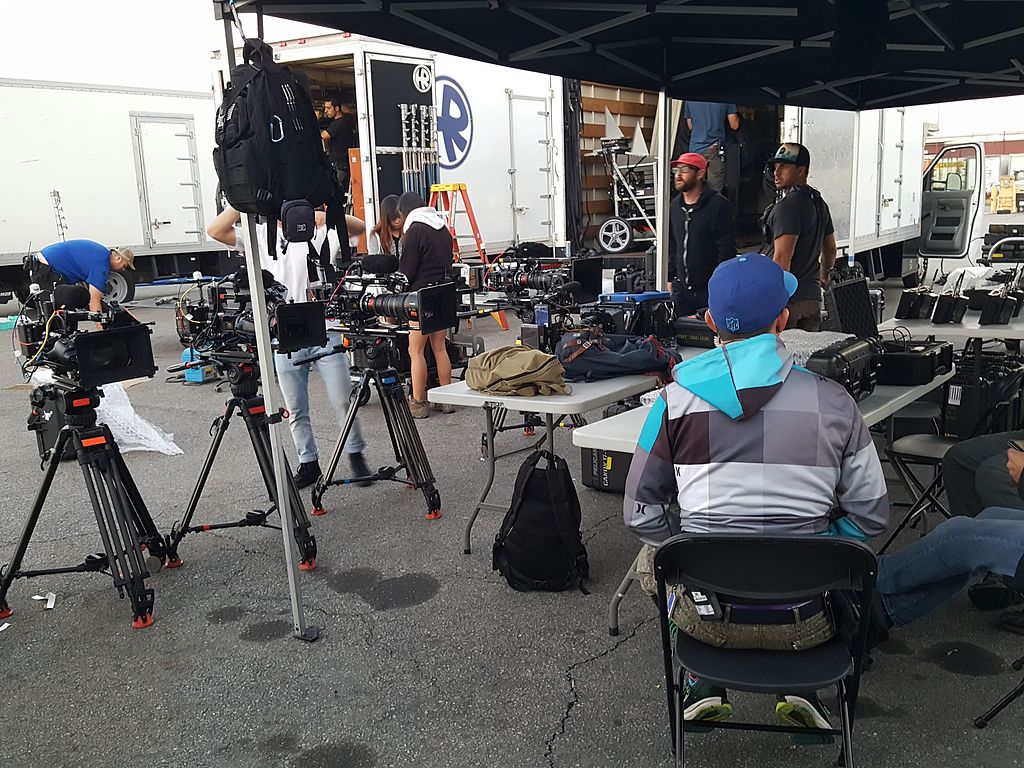
For independent filmmakers and content creators using AI tools, the practical implications are straightforward. When creating content with platforms like AI FILMS Studio, focus on these best practices:
Create original synthetic characters. AI video generation tools excel at creating entirely new, fictional characters and scenarios. These original creations fall outside the scope of digital replica legislation.
Obtain clear consent when needed. If your project requires recreating a specific person's likeness or voice, ensure you have explicit, written consent that clearly describes the intended use. Generic release forms are no longer sufficient.
Understand the exemptions. Documentary filmmakers, journalists, and satirists have important protections, but commercial projects require careful attention to consent requirements.
Document your creative process. Maintain records showing that AI-generated characters are synthetic creations rather than replicas of identifiable individuals.
The law aims to prevent exploitation while allowing creative innovation to flourish. Filmmakers who respect performers' rights and use AI tools responsibly have nothing to fear from this legislation.
The Bigger Picture
California's digital replica law represents the first major legislative response to AI's impact on the entertainment industry. Other states are watching closely, and federal legislation may follow. In March 2026, the White House released a legislative framework recommending that Congress preempt state AI laws. The potential impact on AB 2602 and AB 1836 is covered in our analysis of how the White House AI plan targets Hollywood's state protections.
The law reflects a broader tension in AI development. How do we harness powerful generative tools while protecting individual rights and livelihoods? California's approach prioritizes informed consent and transparency over outright prohibition.
For the AI filmmaking community, this legislation may actually provide clarity and stability. Clear rules about what requires consent help creators avoid legal risks and build sustainable practices. The alternative, a patchwork of lawsuits and uncertain legal precedents, would create far more challenges for independent filmmakers.
As AI video generation technology continues to advance, expect ongoing refinement of these regulations. The core principle, however, is likely to remain. You cannot use someone's identity without their knowing, specific consent.
Resources and Next Steps
To dive deeper into California's digital replica legislation, consult these primary sources:
AB 2602 Full Text - California Legislative Information
https://legiscan.com/CA/text/AB2602/id/3021235
AB 1836 Full Text - California Legislative Information
https://legiscan.com/CA/text/AB1836/id/2884620
SAG-AFTRA Digital Replica FAQs
https://www.sagaftra.org/sites/default/files/sa_documents/DigitalReplicas.pdf
Related Coverage: California AI Laws Protect Actors from Digital Replicas - Our coverage from October 2025 when Governor Newsom signed these bills into law, including the SAG-AFTRA strike background and initial industry reactions.
What AI Copyright Law Means for Documentary Filmmakers - How archival footage scraping lawsuits and the IDA's March 2026 legal session extend these copyright questions into nonfiction filmmaking.
The protections these laws establish are being tested in real time. ByteDance's Seedance 2.0, which Hollywood studios forced to suspend its global launch in March 2026, generated voices and likenesses from facial photos without consent. That is precisely the behavior these laws were designed to address.
A separate but related question is whether training data itself constitutes the replication mechanism. In March 2026, a viral prompt demonstrated that Nano Banana 2 had absorbed a creator's likeness from YouTube so thoroughly that a text description alone was enough to generate her face, with no deliberate replication act occurring at the output stage. California's current laws do not yet cover that scenario. The full case is documented in our analysis of the Nano Banana YouTube creator likeness controversy.
Sources
- California Legislative Information: AB 2602 Text
- California Legislative Information: AB 1836 Text
- SAG-AFTRA: Digital Replicas Guidance
Continue Reading

Video & LipSync
- Video Generator
- Text to Video
- Image to Video
- Start-End Frame to Video
- Draw to Video
- Motion Control
- Video Enhancer
- Video Upscaler
- Video to Video LipSync
- Audio to Video LipSync
- Image to Video LipSync
- Video FaceSwap
- Seedance 2
- OpenAI Sora 2
- Kling 3.0
- Kling O1
- Google Veo 3.1
- LTX 2.3
- Kling O1
- Hailuo AI
- Luma Ray
- Kling 3.0 Motion
- Topaz Upscaler
- InfiniteTalk Face Swap